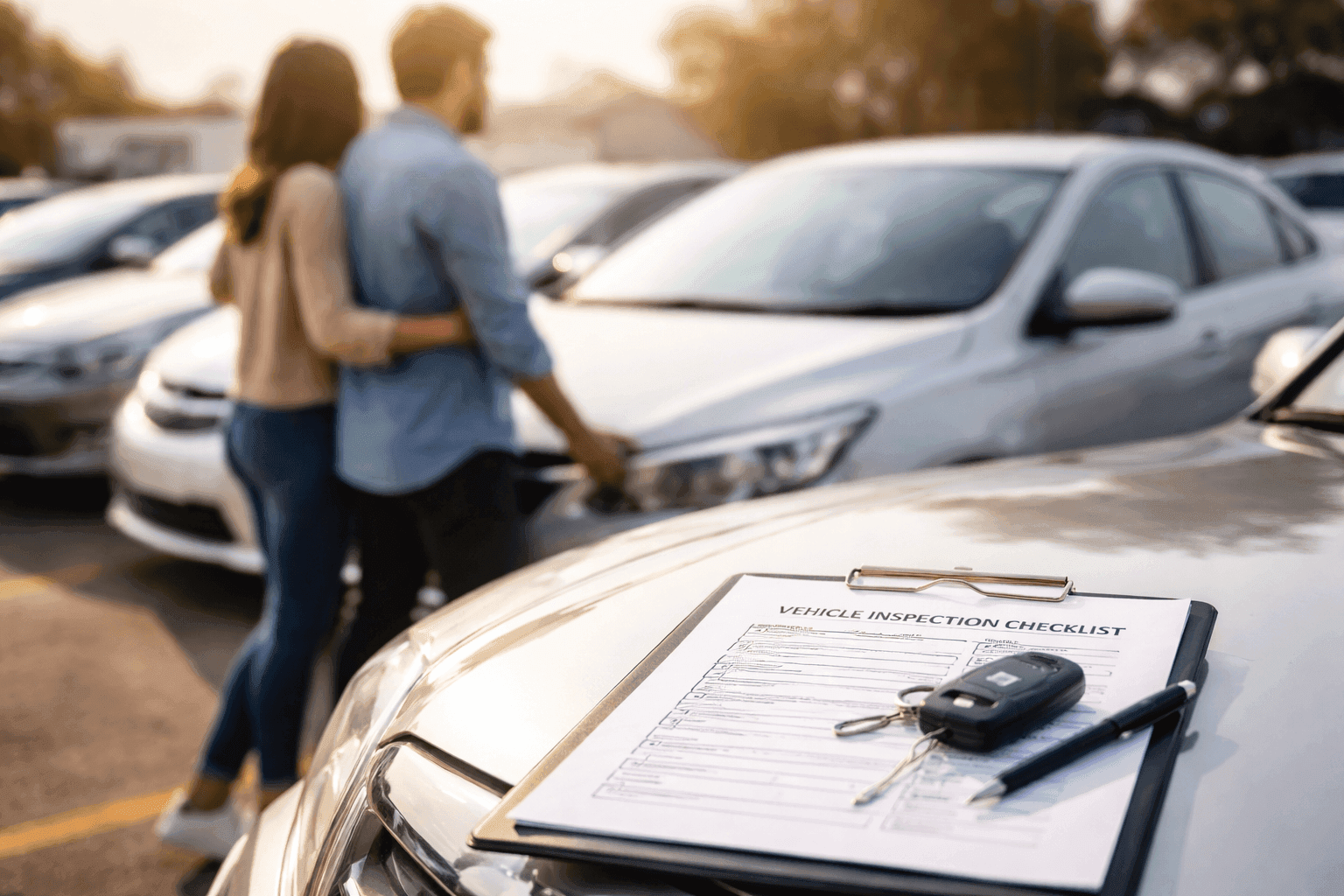
Used Car Buying Advice
Buying a used car can save you thousands compared to new — but it also comes with more risk. Hidden mechanical issues, outstanding finance, accident damage, and pricing traps can turn a “bargain” into an expensive mistake.
This guide will help you:
- Choose the right used car
- Negotiate the best possible price
- Avoid scams and legal risks
- Protect yourself financially
- Avoid buyer’s remorse
Step 1: Choose the Right Used Car (Before Looking at Listings)
The biggest mistake buyers make is chasing price instead of suitability.
1. Define Your Real Needs
Ask yourself:
- Daily commuting or long highway driving?
- Do you need space for kids, prams, sports gear?
- Do you actually need AWD?
- Will you tow?
- Is fuel economy important?
Don’t buy a large SUV “just in case.” Bigger cars mean higher:
- Fuel costs
- Insurance premiums
- Tyre replacement costs
- Registration
Buy for your actual lifestyle.
2. Research Reliability by Model and Year
Not all used cars are equal — even within the same model range.
Look for:
- Known transmission issues
- Turbo reliability problems
- Diesel DPF issues
- Electrical faults
- Timing chain or belt history
Search:
- “Model + year + problems Australia”
- Owner forums
- Recall history on vehiclerecalls.gov.au
A slightly older Toyota or Mazda often costs less long-term than a newer but less proven brand.
3. Understand Total Cost of Ownership
The cheapest car to buy is rarely the cheapest to own.
Consider:
- Insurance (get a quote before committing)
- Fuel consumption
- Service intervals
- Major service timing (e.g., timing belt due at 150,000km)
- Tyre replacement costs
- Registration remaining
A car priced at $12,000 may soon need:
- $1,200 tyres
- $1,500 major service
- $800 brakes
Suddenly it isn’t cheap.
Step 2: Where to Buy in Australia
You generally have three options:
1. Licensed Dealer
Pros:
- Statutory warranty (for eligible vehicles)
- Cooling-off period (varies by state)
- Legal protections under Australian Consumer Law
Cons:
- Higher prices
For cars:
- Under 10 years old
- Under 160,000km
Dealers must usually provide a statutory warranty (check your state rules).
2. Private Seller
Pros:
- Cheaper prices
- More room to negotiate
Cons:
- No warranty
- Fewer legal protections
Private sales are where scams are more common.
3. Auctions (Higher Risk)
Only recommended if:
- You understand mechanical risk
- You accept limited recourse
Step 3: Avoiding Scams in Australia
Scams are increasing, especially on Facebook Marketplace and Gumtree.
Red Flags:
- Seller claims to be “interstate” and can ship
- Requests deposit before inspection
- Refuses in-person viewing
- Price is significantly below market value
- VIN not provided
- Seller rushes you
If it feels wrong, walk away.
Always Check:
1. PPSR Check (Critical)
Before handing over money, do a PPSR check: ppsr.gov.au
Cost: ~$2
This tells you:
- Is there outstanding finance?
- Has it been written off?
- Has it been stolen?
Never skip this step.
If you buy a car with finance owing, the lender can repossess it — even if you paid in good faith.
2. Verify the VIN
Check:
- VIN on dashboard
- VIN on engine bay plate
- VIN on registration papers
- VIN in PPSR report
They must match exactly.
3. Check Service History
Look for:
- Stamped service book
- Invoices (better than stamps)
- Consistent mileage progression
- Timing belt replacement if applicable
No service history = higher risk = lower offer.
Step 4: Inspecting the Car Properly
1. Inspect in Daylight
Avoid:
- Night inspections
- Rainy weather (hides paint defects)
Look for:
- Mismatched paint panels
- Uneven panel gaps
- Overspray on rubber seals
- Rust in door jambs
2. Check for Accident Damage
Signs include:
- Fresh underbody sealant
- Crumpled inner guards
- Replaced headlights (one newer than the other)
- Boot floor repairs
3. Mechanical Check
During test drive:
- Cold start the car (important)
- Listen for rattles
- Check smooth gear changes
- Test brakes firmly
- Drive at highway speeds
- Check steering alignment
- Turn off radio and listen carefully
If spending over $10,000, consider a pre-purchase inspection from:
- RACV (Victoria)
- NRMA (NSW)
- RACQ (QLD)
- Or independent mechanic
$250–$400 can save thousands.
Step 5: Negotiating the Best Price
Used car pricing in Australia is negotiable.
1. Research Market Value
Use:
- Carsales filters
- RedBook
- CarChoice
- Compare similar: Year, Kilometres, Trim, Location
If similar cars are listed at $18,000–$20,000 and this one is $19,500 with average kms — you have room to negotiate.
2. Use Evidence, Not Emotion
Instead of:
“Will you take $17k?”
Say:
“Similar vehicles are advertised at $18k with lower kilometres. Considering the tyres are worn and it needs a service, would you consider $17,500?”
Be calm and factual.
3. Don’t Appear Overly Excited
Even if you love the car. Excitement weakens negotiation power.
4. Be Ready to Walk Away
Walking away is your strongest tool. If they call you back — you’ve won leverage.
Step 6: Protecting Yourself at Payment Time
For Private Sales:
- Never transfer money before inspecting.
- Meet at seller’s home (confirm address matches rego).
- Avoid large cash transactions.
- Use Osko or bank transfer in person.
- Complete transfer paperwork immediately.
Each state has its own transfer process — check VicRoads, Service NSW, etc.
Get a Receipt Including:
- Seller name
- Address
- Licence number
- VIN
- Sale price
- Date
- Signatures
Take photos of:
- Seller ID
- Signed documents
Step 7: Avoiding Buyer’s Remorse
Most regret happens because:
1. You Rushed
Don’t buy same-day unless:
- You’ve researched properly
- You’ve done PPSR
- You’re confident in condition
2. You Bought on Looks Alone
Make sure you test:
- Comfort after 30+ minutes
- Cabin noise
- Seat support
- Visibility
- Infotainment usability
3. You Ignored Running Costs
Luxury European cars may be cheap to buy used — but expensive to maintain. A $15,000 BMW may cost more annually than a $20,000 Toyota.
Step 8: Consider Depreciation
Used cars between:
- 2–4 years old
Often provide best value.
You avoid:
- Initial steep depreciation
- High risk of major wear
But still get:
- Modern safety tech
- Warranty remainder
Quick Checklist Before Buying
✔ Researched known issues
✔ Compared market prices
✔ Done PPSR check
✔ Verified VIN
✔ Checked service history
✔ Test driven properly
✔ Inspected in daylight
✔ Negotiated calmly
✔ Confirmed transfer process
✔ Budgeted for upcoming maintenance
Final Advice
A good used car purchase isn’t about finding the cheapest listing.
It’s about finding:
- The right car for your needs
- At fair market value
- With verified history
- Without legal or financial risk
Take your time. Trust your instincts. Verify everything. If something feels wrong — walk away.
There is always another car.